Categorias
Noticias

Supreme Court Upholds Church’s Religious Liberty in Unanimous Decision


By Stephanie Samuel | Christian Post Reporter

The U.S. Supreme Court unanimously agreed Wednesday that the government should not interfere with religious groups’ internal affairs in the case of a disgruntled former employee of a Lutheranschool.

  • Supreme Court

    (Photo: REUTERS/Larry Downing)

    Security guards walk the steps of the Supreme Court in Washington, October 1, 2010.


Chief Justice John Roberts wrote in the majority opinion for Hosanna-Tabor Evangelical Lutheran Church and School v. Equal Employment Opportunity Commission that allowing the EEOC’s anti-discrimination lawsuit violated the Free Exercise clause of the First Amendment.

"Such action interferes with the internal governance of the church, depriving the church of control over the selection of those who will personify its beliefs," Roberts wrote. "By imposing an unwanted minister, the state infringes the Free Exercise Clause, which protects a religious group’s right to shape its own faith and mission through its appointments."The U.S. Supreme Court unanimously agreed on Wednesday that the government should not interfere with religious groups’ internal affairs in the case of a disgruntled former employee of a Lutheran school.

Chief Justice John Roberts wrote in the majority opinion for Hosanna-Tabor Evangelical Lutheran Church and School v. Equal Employment Opportunity Commission that allowing the EEOC’s anti-discrimination lawsuit violated the Free Exercise clause of the First Amendment.

"Such action interferes with the internal governance of the church, depriving the church of control over the selection of those who will personify its beliefs," Roberts wrote. "By imposing an unwanted minister, the state infringes the Free Exercise Clause, which protects a religious group’s right to shape its own faith and mission through its appointments."

The 9-0 ruling in favor of Hosanna-Tabor Evangelical Lutheran Church is a huge relief for religious freedom proponents.

Like us on Facebook

“The message of today’s opinion is clear: The government can’t tell a church who should be teaching its religious message,” Luke Goodrich, a deputy national litigation director at The Becket Fund for Religious Liberty, said in a statement.

“This is a huge victory for religious freedom and a rebuke to the government, which was trying to regulate how churches select their ministers.”

Cheryl Perich, a former teacher at the Hosanna-Tabor Evangelical Lutheran Church and School, is the “minister” in question.

She was laid off after taking an extended leave for health reasons. The school made the decision, citing ministerial exception. Ministerial exception allows religious institutions the freedom to select their ministry employees without government intrusion.

The EEOC argued that Perich was a secular employee at the school who taught from secular books and was therefore eligible to seek correct action against the school.

The Americans With Disabilities Act of 1990 prohibits employers from discriminating against qualified individuals with disabilities.

Perich took her case to the EEOC and the government agency sued the school. The district court dismissed the suit, recognizing a ministerial exception to the Disabilities Act, which prevents interference from the courts when it comes to employment matters in a religious institution.

But the Sixth Circuit later reversed the decision, concluding that that ministerial exception does not apply to the former employee because she spent a majority of her time performing “secular” duties.

Americans United for Separation of Church and State Executive Director the Rev. Barry W. Lynn expressed disappointment in the ruling.

“Clergy who are fired for reasons unrelated to matters of theology – no matter how capricious or venal those reasons may be – have just had the courthouse door slammed in their faces,” Lynn said in a statement.

While Perich did teach non-religious subjects, she also led prayer and devotion several times a day. Douglass Laycock, who argued the case for Hosanna-Tabor, told The Associated Press the ruling is a “huge win for religious liberty.”

Laycock continued, “The court has unanimously confirmed the right of churches to select their own ministers and religious leaders.”

The 9-0 ruling in favor of Hosanna-Tabor Evangelical Luthern Church is a huge relief for religious freedom proponents.“The message of today’s opinion is clear: The government can’t tell a church who should be teaching its religious message,” Luke Goodrich, a deputy national litigation director at The Becket Fund for Religious Liberty, said in a statement.

“This is a huge victory for religious freedom and a rebuke to the government, which was trying to regulate how churches select their ministers.”

Cheryl Perich, a former teacher at the Hosanna-Tabor Evangelical Lutheran Church and School, is the “minister” in question.

She was laid off after taking an extended leave for health reasons. The school made the decision citing ministerial exception. Ministerial exception allows religious institutions the freedom to select their ministry employees without government intrusion.

The EEOC argued that Perich was a secular employee at the school who taught from secular books and was therefore eligible to seek correct action against the school.

The Americans with Disabilities Act of 1990 prohibits employers from discriminating against qualified individuals with disabilities.

Perich took her case to the EEOC and the government agency sued the school. The district court dismissed the suit, recognizing a ministerial exception to the Disabilities Act, which prevents interference from the courts when it comes to employment matters in a religious institution.

But the Sixth Circuit later reversed the decision, concluding that that ministerial exception does not apply to the former employee because she spent a majority of her time performing “secular” duties.

Americans United for Separation of Church and State Executive Director the Rev. Barry W. Lynn expressed disappoint in the ruling.

“Clergy who are fired for reasons unrelated to matters of theology – no matter how capricious or venal those reasons may be – have just had the courthouse door slammed in their faces,” Lynn said in a statement.

While Perich did teach non-religious subjects, she also led prayer and devotion several times a day. Douglass Laycock, who argued the case for Hosanna-Tabor, told the Associated Press the ruling is a “huge win for religious liberty.”

Laycock continued, “The court has unanimously confirmed the right of churches to select their own ministers and religious leaders.”

Categorias
Noticias

Pastora evangélica é denunciada por escravizar criança indígena, em GO


Menina Xavante de 11 anos era submetida a trabalho doméstico em Goiânia.
MPF em Goiás ofereceu denúncia à Justiça na segunda-feira (10).

Gabriela LimaDo G1 GO

38 comentários
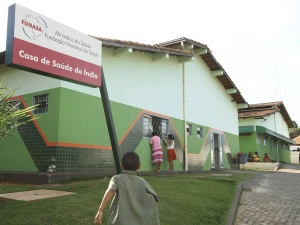
Pastora evangélica é denunciada por escravizar criança indígena em Goiânia (Foto: Jornal O Popular)Casa de Saúde do Índio, primeiro lugar onde a
menina ficou em Goiânia (Foto: Jornal O Popular)

O Ministério Público Federal em Goiás(MPF/GO) denunciou na segunda-feria (11) uma pastora evangélica suspeita de escravizar uma criança indígena em Goiânia. Segundo o procurador da República Daniel de Resende Salgado, a mulher submeteu uma menina de 11 anos à condição análoga à escravidão por um ano e seis meses.
De acordo com a denúncia, de maio de 2009 a novembro de 2010, a criança da etnia Xavante foi obrigada a realizar trabalhos domésticos na casa da pastora. Salgado diz que ela era submetia a longas horas diárias de serviços como limpar banheiros, o chão, lavar e passar roupas, lavar louças e cozinhar, utilizando instrumentos perigosos para sua idade, como ferro de passar roupa e materiais cortantes na cozinha.

saiba mais

Consta no processo que a menina sofria ameaças de castigos corporais, não recebia remuneração pelos serviços prestados e era obrigada a entregar panfletos da igreja, à noite, nas ruas e praças da cidade, inclusive em períodos em que esteve doente.

Professoras da escola estadual onde a criança estudava perceberam o comportamento acanhado da garota, alguns hematomas e que ela quase nunca conseguia fazer as atividades e tarefas em casa. "Os professores começaram um trabalho de assistência social e tomaram conhecimento da violência e exposição ao trabalho doméstico", diz o procurador Daniel Salgado. Segundo o procurador, o caso foi registrado na Delegacia de Proteção à Criança e ao Adolescente (DPCA), mas a Polícia Civil percebeu que se tratava de um crime federal e encaminhou o inquérito ao MPF.

Na fase inicial do processo e, segundo o procurador, a suspeita prestou depoimento e negou as acusações. Procurada pelo G1, a mulher, líder espiritual de uma igreja no Setor Coimbra, não atendeu as ligações.
Caso a Justiça aceite a denúncia, a pastora responderá pelo crime de reduzir alguém à condição análoga a de escravo, previsto no artigo 149, do Código Penal. Se for condenada, ela pode pegar uma pena de até 16 anos de reclusão.

Falso apoio
A criança da aldeia indígena de São Marcos, em Barra do Garças (MT), veio para Goiânia com o pai e uma irmã em busca de tratamento médico. A família se hospedou na Casa de Saúde do Índio, mas o pai teria sido orientado a não deixá-la sozinha no local, devido ao risco de abuso sexual.
O pai saiu em busca de apoio religioso e material. Por indicação da igreja, ele levou a menina até a pastora . A suspeita teria se oferecido para cuidar da criança, sob pretexto de lher dar educação.

No fim do ano passado, a criança retornou com os pais para o Mato Grosso. Após o caso passar à esfera federal, ele foi ouvida novamente, na presença de membros do conselho tutelar e Fundação Nacional do Índio (Funai) e confirmou a denúncia.
"Isso serve de alerta para que pais, mesmo em condições de pobreza, não entreguem os filhos para outra pessoa criar. Isso pode fazer com que, em vez de educada, a criança venha a ser submetida a trabalhos forçados e maus-tratos", diz o procurador.

Categorias
Noticias

Promotoria recomenda interdição de igreja em Guarulhos


COLABORAÇÃO PARA A FOLHA

Atualizado às 17h44.

O Ministério Público instaurou um inquérito civil para apurar ocongestionamento na rodovia Presidente Dutra causado pela inauguração da sede da Igreja Mundial do Poder de Deus, em Guarulhos, no dia 1º.

Inauguração de igreja causa congestionamento na Dutra
Polícia quer a interdição de templo que bloqueou a via Dutra

O promotor Ricardo Manuel Castro quer investigar se houve deficiência no processo de licenciamento do templo.

Castro pediu à Prefeitura de Guarulhos uma cópia integral do processo administrativo que resultou no licenciamento da igreja e recomendou que o município casse imediatamente o alvará da obra, promovendo a interdição do templo até que sejam apresentados e aprovados os estudos prévios necessários.

À Polícia Rodoviária Federal foi requisitado a apresentação do relatório sobre todos os impactos causados em razão da inauguração do templo.

O Corpo de Bombeiros também deve realizar uma vistoria na igreja nos próximos dias.

Procurada pela Folha, a igreja não respondeu. A Prefeitura de Guarulhos informou que foi notificada na terça-feira (10) e tem um prazo de 10 dias para encaminhar a documentação para o Ministério Público.

Jorge Araújo-1º.jan.12/Folhapress

Trânsito congestionado na via Dutra no dia da inauguração da Igreja Mundial do Poder de Deus

Trânsito congestionado na via Dutra, em Guarulhos, no dia da inauguração da Igreja Mundial do Poder de Deus

CONGESTIONAMENTO

O congestionamento provocado pela inauguração do templo chegou a parar 22 km da Dutra, no sentido São Paulo, entre o km 201 e o km 223. No sentido Rio, o congestionamento foi do km 222 ao km 229.

A Polícia Rodoviária Federal elaborou um relatório que aponta a "inviabilidade e risco do funcionamento do templo no local" –o endereço oficial é a av. Monteiro Lobato, 4.492. Serão incluídos vídeos da concessionária NovaDutra mostrando o megacongestionamento e os principais problemas encontrados.

Entre os problemas, houve ônibus de fiéis que estacionaram no acostamento da rodovia. A PRF afirma não ter sido comunicada sobre a dimensão da inauguração –um ofício informou público de 30 mil pessoas– e nem sobre os ônibus e a incapacidade de estacionamentos particulares comportarem os veículos.

O próximo grande evento no templo, segundo a PRF, está marcado para sexta (13).